
Finding a reliable ride across European cities requires the right VTC app. With options ranging from global platforms to local specialists, travelers and residents face different coverage, pricing models, and vehicle quality depending on the country. This guide ranks the top 10 best VTC apps in Europe based on availability in major cities, user feedback on wait times and safety, fare transparency, and overall performance in 2026. Whether you need a quick city hop in Paris, an airport transfer in Berlin, or a late-night ride in Madrid, these platforms deliver consistent results. Rankings draw from current market presence, multi-country reach, and real-user experiences with surge pricing, driver ratings, and payment flexibility.
What makes a VTC app stand out in Europe
European regulations vary by country, so the strongest VTC apps combine licensed drivers, clear upfront pricing, and solid safety features such as real-time tracking and in-app support. Coverage density matters most in capitals and tourist hubs. Apps that support multiple vehicle classes—from economy to premium—and accept local payment methods gain an edge. Lower wait times during peak hours and options for electric vehicles also influence rankings this year.
1. Uber – the most widespread choice
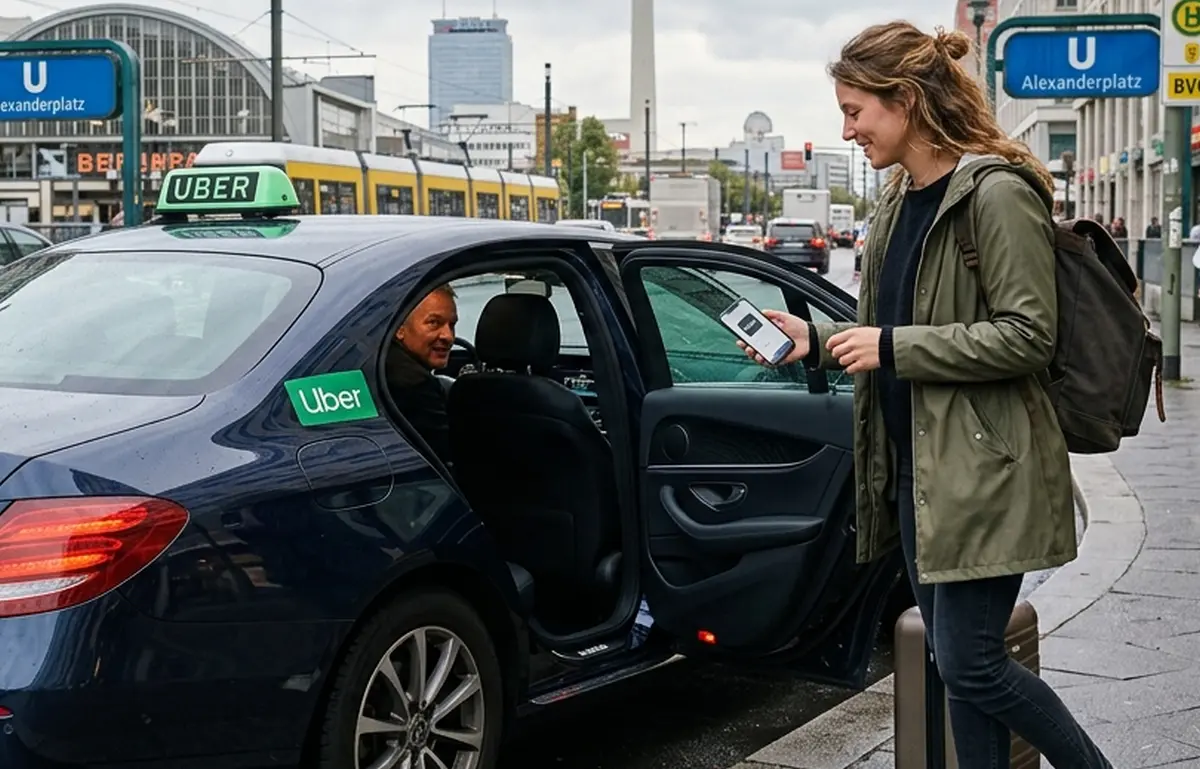
Uber remains the default VTC app across most of Europe. It operates in the majority of large cities from London and Paris to Berlin, Madrid, Rome, and Amsterdam. Users benefit from multiple categories including UberX, Comfort, Green for electric vehicles, and higher-end options like Black. Upfront pricing reduces surprises, while features such as scheduled rides and multi-stop trips add convenience.
Safety tools include share-trip links and 24/7 support. In high-demand periods surge pricing can raise costs, yet the dense driver network usually keeps wait times under five minutes in central areas. For cross-border travelers who prefer one app that works almost everywhere, Uber sits at the top of the list of best VTC apps in Europe.
Key strengths of Uber
- Broadest geographic coverage across Western, Central, and Southern Europe
- Wide vehicle selection including accessibility options in many cities
- Integrated loyalty and corporate account tools for frequent users
2. Bolt – competitive pricing and growing network
Bolt, based in Estonia, ranks second thanks to aggressive fares and rapid expansion. The app covers more than 600 cities worldwide and holds strong positions in France, the UK, Spain, Poland, the Nordics, and Eastern Europe. Many riders report lower prices than Uber for equivalent trips, especially outside peak hours.
Beyond standard rides, Bolt includes micromobility options such as scooters and bikes in select locations, plus food delivery in larger markets. Driver ratings stay high, and the interface remains simple. In cities where both platforms operate, checking both quotes often saves money. For budget-conscious users seeking a solid alternative among the top VTC apps, Bolt delivers consistent value.
3. Free Now – licensed taxis and multi-country reach
Free Now specializes in combining traditional licensed taxis with private-hire vehicles. It operates across nine European countries including the UK, Germany, France, Spain, Italy, Portugal, Austria, Greece, and Poland. In London black cabs appear alongside private hire, while German and Spanish cities benefit from strong taxi density.
Upfront or metered pricing options give flexibility. Corporate accounts and VAT invoices make it popular with business travelers. Wait times stay competitive, and the app supports multiple languages. When licensed taxis offer priority access to bus lanes or taxi ranks, Free Now frequently provides faster journeys than pure private-hire services.
4. Cabify – fixed fares and quality focus in Southern Europe
Cabify leads in Spain and maintains presence in Portugal. Fixed prices quoted before booking eliminate surge surprises, a clear advantage during events or bad weather. Vehicles tend toward higher standards, with options for eco-friendly rides. The platform emphasizes verified professional drivers and clear cancellation policies.
In Madrid and Barcelona, many locals prefer Cabify for airport runs and city center trips. Corporate tools and real-time tracking add reliability. Although coverage stays more limited than the global giants, within its core markets it ranks among the best VTC apps for predictable costs and comfort.
5. Heetch – strong night service and French roots
Heetch thrives in France, particularly Paris and other major cities such as Lyon, Marseille, and Bordeaux. The app targets evening and late-night demand with competitive rates and a younger user base. Professional VTC drivers handle the rides, and payment options include both card and cash in some zones.
Users appreciate the straightforward booking flow and relatively stable pricing outside major events. While geographic reach remains focused on France and a few neighboring markets, Heetch fills a useful niche for nightlife and weekend travel. Pairing it with broader platforms creates a practical multi-app strategy.
6. LeCab – premium transfers and fixed-price reliability
LeCab concentrates on quality private-hire service centered on Paris and surrounding regions. Fixed rates for airport routes and city transfers appeal to travelers who want certainty. Higher-end vehicles and professional chauffeurs distinguish the experience from standard economy rides.
Pre-booking remains straightforward, and the service handles business clients effectively. For visitors prioritizing comfort over the lowest possible fare, LeCab ranks high among specialized VTC apps in the French market.
7. Blacklane – chauffeur-level service across the continent
Blacklane targets premium and executive travel. Available in major European cities, it provides meet-and-greet airport service, hourly bookings, and fixed-price city transfers in luxury vehicles. Drivers receive specialized training, and the platform maintains strict vehicle standards.
Business travelers and those seeking a polished experience choose Blacklane when reliability and presentation matter more than cost. The app supports advance reservations and clear communication, making it a standout for high-end needs within the broader list of best VTC apps in Europe.
8. Gett – black cabs and corporate strength in the UK
Gett performs especially well in London and other UK cities. The platform connects users to licensed black cabs and private-hire vehicles, with strong tools for business accounts. Fixed pricing options and reliable airport coverage reduce uncertainty.
Corporate features such as centralized billing and trip reporting attract frequent business riders. In markets where traditional taxis hold advantages, Gett delivers a polished alternative that sits comfortably among the top European options.
9. G7 – established taxi network in France
G7 operates a large fleet of licensed taxis across Paris and other French cities. The app allows quick booking of traditional taxis with options for electric and accessible vehicles. Real-time tracking and multiple payment methods keep the experience modern.
For users who prefer regulated taxi services over pure private hire, G7 provides dependable coverage and transparent metering. It complements the larger ride-hailing platforms and remains relevant for both locals and visitors.
10. Allocab – reservation-focused private hire
Allocab emphasizes advance bookings and professional VTC service, primarily in France. Fixed prices and a focus on longer transfers or airport runs make it useful when spontaneous availability is less critical. The platform appeals to users who value planning and consistent service levels.
Although its footprint is narrower than the global leaders, Allocab earns a place among the top VTC apps for travelers who schedule rides in advance and seek reliable private-hire options.
Side-by-side comparison of key features
| App | Main strength | Strongest regions |
|---|---|---|
| Uber | Coverage density | Most of Europe |
| Bolt | Competitive fares | Eastern & Northern Europe, France, UK |
| Free Now | Licensed taxis | UK, Germany, Spain, France |
| Cabify | Fixed pricing | Spain, Portugal |
| Heetch | Night availability | France |
How to choose the right VTC app for your trip
Download two or three platforms before arrival and compare quotes for the same route. Airport transfers often benefit from fixed-price services such as Cabify, LeCab, or Blacklane. City-center hops favor apps with dense driver networks like Uber or Bolt. Night rides in France lean toward Heetch. Always verify current coverage inside the app, as service areas expand or contract with local regulations.
Payment methods, language support, and accessibility features differ. Corporate travelers should check invoice and expense-report options. Safety remains consistent across the ranked platforms through driver verification, GPS tracking, and emergency contacts.
Practical tips for smoother rides
Enable location services and save frequent addresses. During major events or holidays, book earlier or switch between apps to avoid long waits. Electric-vehicle categories appear more frequently each year, supporting lower-emission travel. Reading recent driver ratings helps maintain quality. Multi-apping—using several platforms simultaneously—remains the most effective approach for price and availability.
FAQ
Which VTC app works in the most European countries?
Uber and Bolt currently cover the widest range of cities and countries. Free Now follows with solid multi-country taxi integration.
Are fares usually lower on Bolt or Uber?
In many cities Bolt posts lower base fares, especially off-peak. Surge periods can reverse the difference, so comparing both quotes remains the best practice.
Do these apps accept cash payments?
Most rely on card or digital wallets. Some platforms, including certain Heetch and local taxi options within Free Now, still support cash in selected cities. Check the payment settings inside each app before requesting a ride.